Monument Valley 1 and 2 on Android: what the price actually buys you
Two paid puzzle games from the same studio, five years apart. This page separates what they share, what the sequel changed, and the one place a purchase still shows up after you have already paid.
Xardelun · Canada · Store data checked 7 September 2026
What paying up front removes
A paid game removes three things at once, and it is worth being specific about which three. It removes the interstitial video between levels. It removes the timer that stops you playing until tomorrow. And it removes the pressure on the designer to build a level that is annoying enough to sell a hint.
That last one is the reason a paid puzzle usually feels different within twenty minutes. In a free puzzle game the difficulty curve has a commercial job to do: it has to produce moments of frustration at a predictable rate. In a paid one, the curve only has to serve the puzzle.
What paying does not always remove is the in-app purchase. Both games on this page cost $5.99 CAD, and one of them still lists purchases on its store page. That is not a trick — it is an expansion chapter sold separately — but it is worth knowing before you assume the price covers everything.
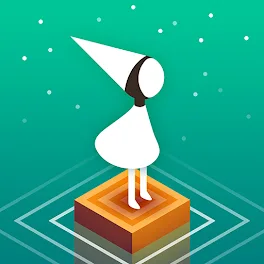
Monument Valley
ustwo games
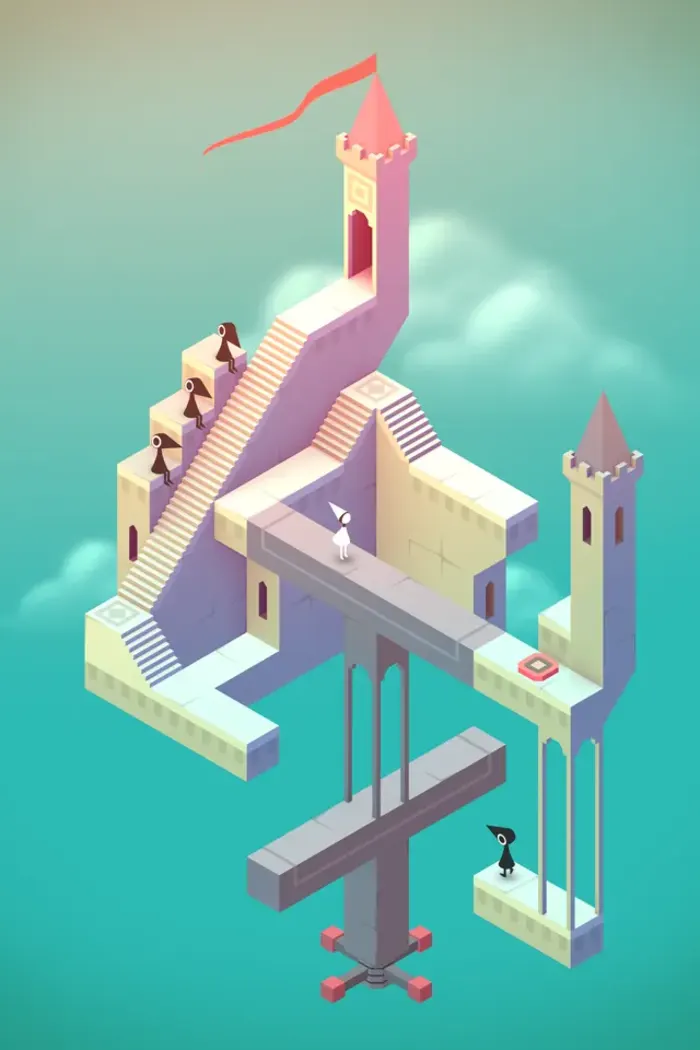
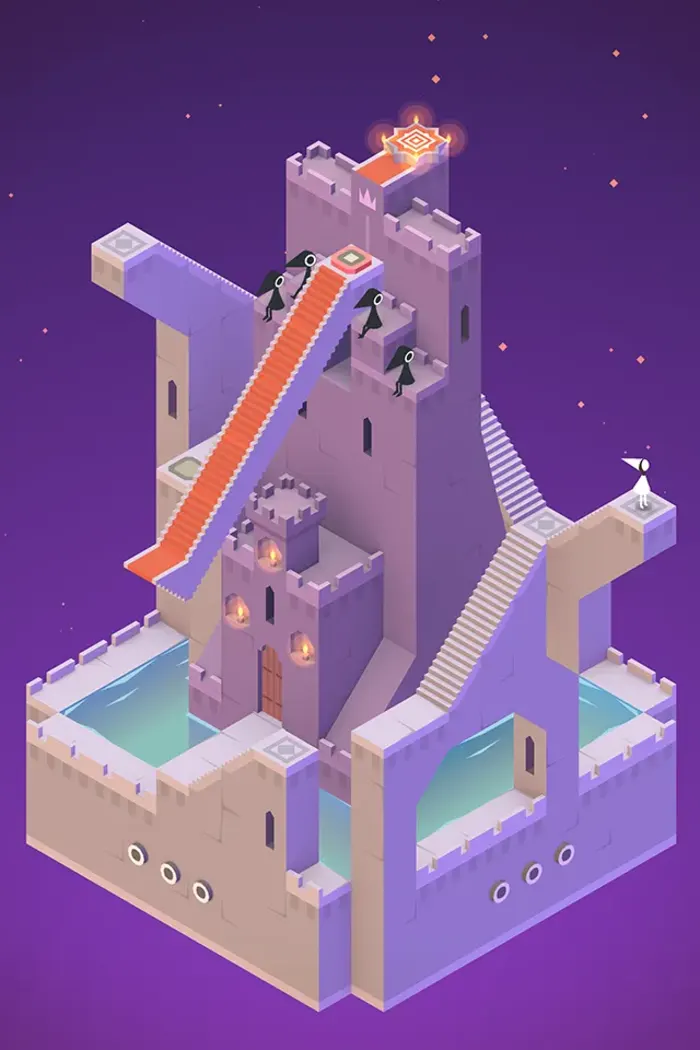
The whole game rests on one idea: a staircase that cannot exist in three dimensions works perfectly well as a picture. You rotate part of the building until two edges line up on screen, the silent princess walks across the join, and the impossible geometry holds because your eye says it does.
Control is a single finger. Tap where you want Ida to walk; drag the handles that rotate towers, bridges and platforms. There is no failure state, no timer and no score. A level ends when the shape resolves, and the game moves on.
Ten chapters, and most people finish them in a couple of sittings. That has been the standing complaint since 2014, and it is a fair one — this is a short game. What it does with the length is unusual: no chapter repeats a trick, and the last three introduce mechanics that a longer game would have padded out over hours.
- Price
- $5.99 CAD on Google Play
- Advertising
- None
- In-app purchases
- Yes — the Forgotten Shores chapters are sold separately
- Control
- Single touch: tap to walk, drag to rotate
- Session
- 5 to 15 minutes per chapter
Open the Monument Valley store page
Price, taxes and any purchase inside the game are shown by Google Play at the next step.

Monument Valley 2
ustwo games
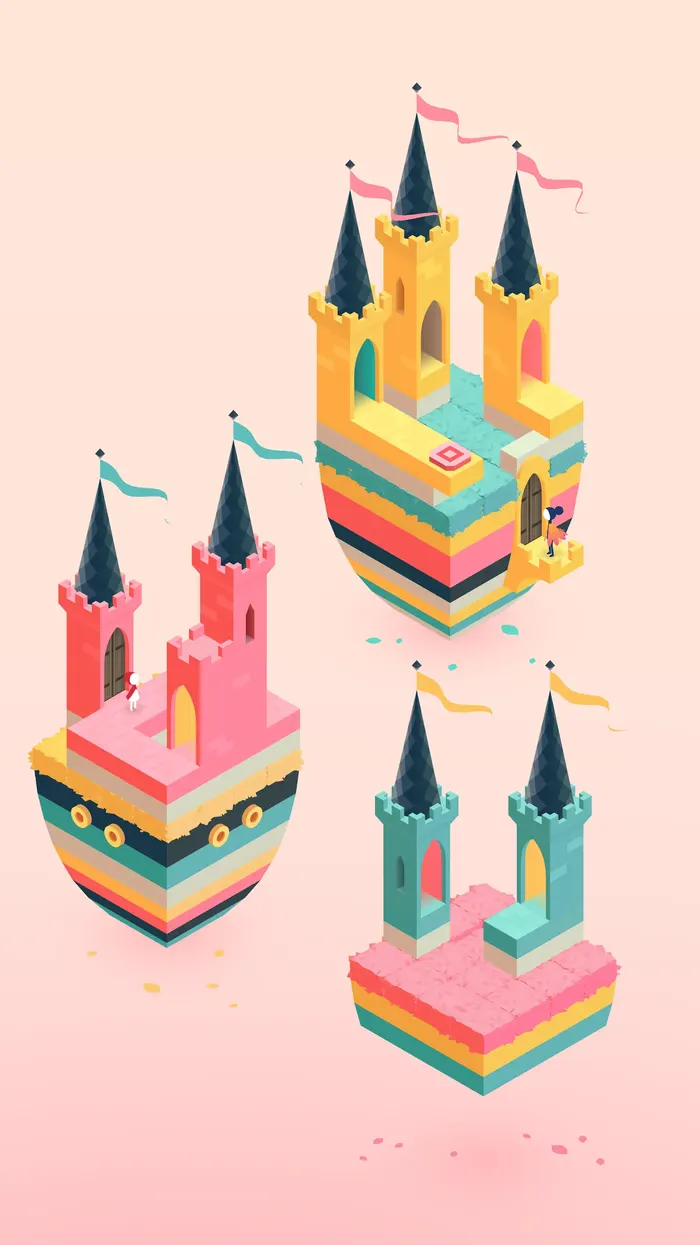
The sequel keeps the architecture and changes the cast. You move a mother and a daughter, and for much of the game they are on screen together. That single change rewrites the puzzles: a mechanism now needs two people to hold it, and the rotation you make for one of them often strands the other.
Halfway through, the two separate. The game splits the screen and asks you to solve two halves of the same building at once, which is the sharpest idea in either title. It is also where a few people stop, because it demands holding two spatial states in your head rather than one.
The palette is warmer than the first game and the pace is slower. Where the original moves through a trick per chapter, the sequel lingers, and the story it is telling — a child learning to walk ahead — is doing more of the work than the puzzles are.
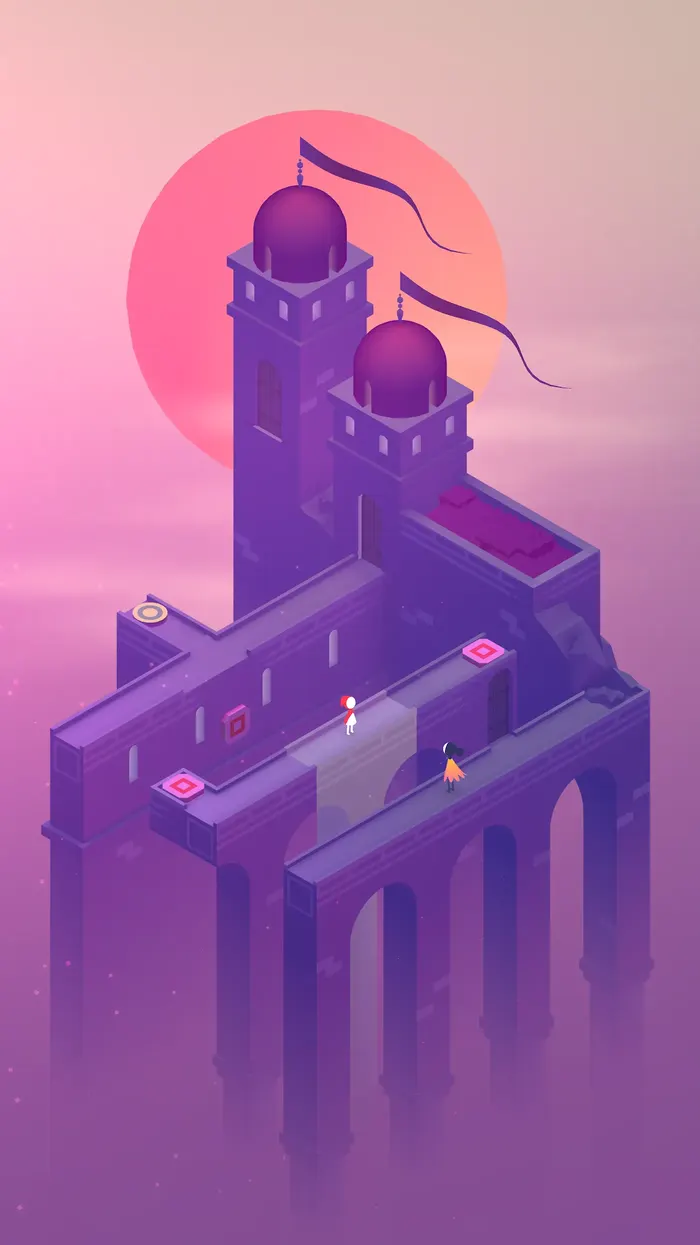
- Price
- $5.99 CAD on Google Play
- Advertising
- None
- In-app purchases
- None listed on the store page
- Control
- Single touch, with two characters to move
- Session
- 8 to 20 minutes per chapter
Open the Monument Valley 2 store page
Price and taxes are shown by Google Play at the next step.
The two side by side
Same price, same studio, same visual language. The differences that matter are in what each one asks you to hold in your head.
| Point of difference | Monument Valley | Monument Valley 2 |
|---|---|---|
| Characters on screen | One | Two, sometimes on split screens |
| Core demand | Line up one impossible join | Hold two spatial states at once |
| Pace | A new trick almost every chapter | Slower; mood carries several chapters |
| Purchases after the price | Yes | No |
| Works offline | Yes, once installed | Yes, once installed |
Advertising, purchase and price entries read from the Canadian Google Play listings on 7 September 2026. Everything else is our own description of playing them.
Which one to open first
Start with the first game if you have never played either. It teaches the vocabulary — rotate, walk, look again — in about four chapters, and the sequel assumes you already have it.
Start with the second if you have played the first and remember it as too short. The split-screen half is the part neither game had done before, and it is the reason the sequel exists at all.
Buy both only if you intend to play them apart. Back to back they blur, because the visual language is identical and the second game rewards you for noticing what the first one already taught.
One practical note before either purchase: both are single-device downloads tied to the Google account that bought them. Check which account is signed in on the phone you actually play on, not the one on the tablet in a drawer.
If a line on this page is wrong
Two of the facts here have a short shelf life: the price, and whether the game is still published at all. Both are checked when the page is revised, and between revisions the store is right and we may not be. Corrections go to [email protected], and what helps is knowing which of these you are looking at.
- The price has moved
- Send the figure the store shows you and the province you are in. Google Play prices in Canada are quoted before tax, and the total at checkout differs by province, so the two numbers rarely match on the first read.
- The listing has gone
- A removed title comes off this page rather than staying with a note. Send the link that failed; a 404 from the store is enough evidence on its own.
- Something we described does not behave that way
- This is the useful kind of correction and the slowest to act on, because it means playing the section again. Say which chapter or which mechanic, and Nathan will get to it.